
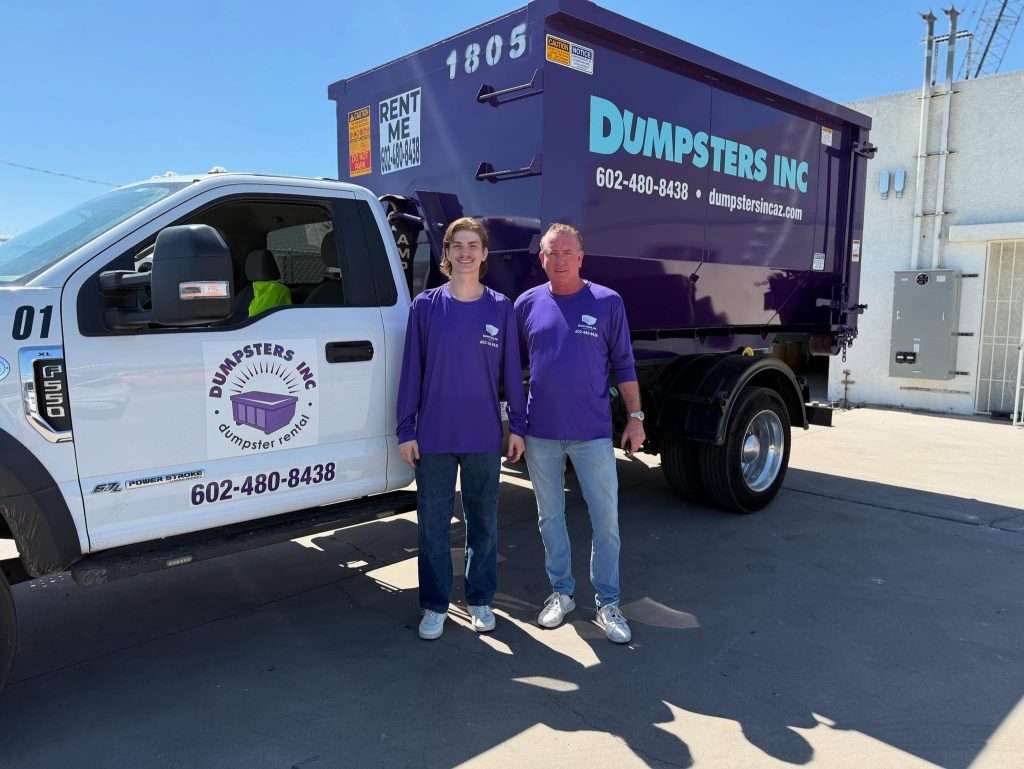
Contractors should plan dumpster access by identifying which trades will generate debris, when they will need the container, and which routes must remain available for workers, vehicles, equipment, and deliveries. At Dumpsters INC., we recommend coordinating a Construction Dumpster Rental with the overall job-site schedule so the container remains accessible without interfering with other active work.
Why Does Dumpster Access Matter on a Multi-Trade Job Site?
A construction site can change significantly from one day to the next. Carpenters, electricians, plumbers, flooring crews, roofers, and other trades may use the same property at different stages, sometimes with overlapping schedules.
The Construction Dumpster becomes another part of that shared environment. Crews need practical access to it, while the rental provider needs sufficient access when the container is delivered or removed.
Poor coordination can result in materials, work vehicles, or equipment blocking the container. Contractors can reduce these conflicts by treating dumpster access as part of the project schedule rather than considering it only when debris needs to be removed.
Which Trades Will Need Access to the Dumpster?
Identify which trades will generate approved debris and when they will need the Construction Dumpster. Different project phases can produce varying amounts of drywall, wood, flooring, packaging, and other materials.
Planning ahead helps contractors coordinate Dumpster Rental access, work zones, and material staging. Crews should also know which materials are permitted before using shared Dumpsters.
What Should Contractors Know About Keeping Access Routes Clear?
The route to a dumpster should be considered alongside worker passageways, equipment routes, and active work zones. Materials, vehicles, and equipment should not unnecessarily obstruct areas needed to access the container.
Did you know? OSHA requires construction sites to keep areas used by employees clear of debris and other materials that could create tripping or slipping hazards. This highlights why access planning around a Construction Dumpster should be considered part of overall job-site organization.
A coordinated Dumpster Rental gives approved debris a designated location while allowing contractors to plan worker and equipment routes around the container.
How Should Material Deliveries Affect Dumpster Planning?
Material deliveries can affect access to a Construction Dumpster, especially when trucks share driveways, gates, or loading areas.
Coordinate major deliveries with your Dumpster Rental schedule so vehicles, materials, and equipment do not block container access. Planning these activities together can help keep the job site organized and the dumpster accessible.
Should Every Trade Use the Same Construction Dumpster?
Multiple trades can share a Construction Dumpster Rental when their materials are accepted by the rental provider. Contractors should clearly establish which materials belong in the Construction Dumpster and which crews will use it.
Coordinating dumpster use helps prevent one trade from taking up too much capacity and keeps the Dumpster Rental aligned with the project’s needs.
Add practical access coordination stepsClarify prohibited material responsibilities
How Can Contractors Plan Around Changing Work Zones?
The best dumpster location at the beginning of a project may become less convenient as work progresses. New materials may arrive, equipment may occupy previously open areas, or another trade may need access near the container.
Contractors should account for these changes before scheduling a Dumpster Rental. Think beyond where the dumpster fits on delivery day and consider how the surrounding space will function throughout the rental period.
The container also needs to remain accessible when it is time for service or removal. Avoid allowing temporary storage, parked vehicles, or project equipment to block the planned access route.
When Should Dumpster Service Be Coordinated With the Project Schedule?
Dumpster scheduling should reflect periods when debris generation is expected to increase or decrease.
If several trades will generate material within a short timeframe, contractors can monitor available capacity before the next crews begin. If debris-producing work is nearly complete, the project may no longer require the same container capacity it needed earlier.
Pickup timing should also account for upcoming deliveries, inspections, equipment movement, and other scheduled work. The objective is to avoid having dumpster service compete with another major site activity for the same access area.
How Can Better Dumpster Coordination Support a Shared Job Site?
Effective coordination starts with three questions: Who will use the dumpster, when will they need it, and what access must remain available?
Answering those questions before work intensifies can help contractors integrate the Construction Dumpster into the project schedule while keeping debris contained and access routes available.
For a Construction Dumpster Rental in the Phoenix Metro Area, contact us today to discuss dumpster size, delivery access, and scheduling for your job site.